Call (818) 262-3537 · Available 24/7 · 100% confidential
Inpatient Rehab in Los Angeles
ASAM 3.5Residential Care
11-BedLuxury Estate
24/7Medical Monitoring
7-90Days, Personalized
INTRO
When everyday life keeps pulling you back toward using, the most powerful thing you can do is step away from it completely. Inpatient rehab gives you that space: a safe, structured place to live while you recover, with medical care and clinical support available every hour of the day.
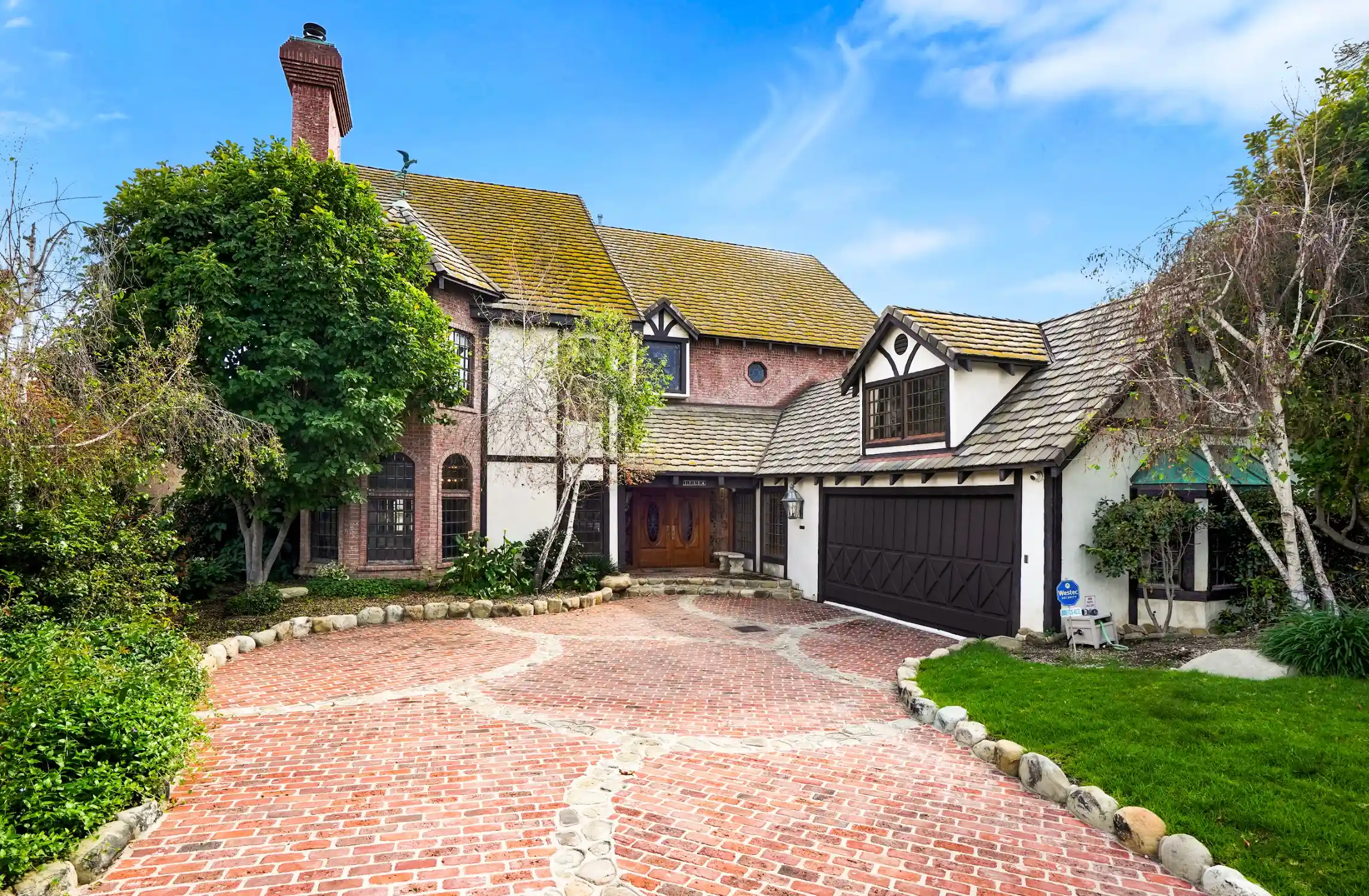
At iRely Recovery, inpatient care happens in a private, luxury 11-bed estate in Los Angeles, between Hollywood and Malibu. You get the highest level of care we offer, including medically supervised detox, residential treatment, and care for the mental health that so often sits beneath addiction, all under one roof.
Inpatient rehab is the highest level of addiction care, combining 24-hour medical monitoring with residential therapy. At iRely Recovery in Los Angeles, inpatient care operates at ASAM Level 3.5 in a private 11-bed estate between Hollywood and Malibu, physician-managed, Joint Commission accredited, and DHCS licensed. Programs run 7 to 90 days. Call (818) 262-3537.
What Is Inpatient Rehab?
Inpatient rehab, sometimes called residential treatment, is the highest level of addiction care. You live on-site for the length of your program, fully removed from the triggers, people, and pressures that make recovery harder, while a clinical team supports you 24 hours a day.
That round-the-clock structure is what sets it apart from outpatient options like PHP or IOP. Instead of returning home each night, you stay in one safe place and focus entirely on getting well. For many people, especially those facing a serious addiction or a co-occurring mental health condition, that immersion is the difference between a recovery that holds and one that slips.
At iRely Recovery, this care is delivered at the ASAM Level 3.5 residential standard, with 24/7 medical monitoring, in a boutique, luxury setting designed to feel like a home rather than a hospital.
Inpatient Rehab at a Glance
Level of care
ASAM Level 3.5 residential (highest level offered)
Setting
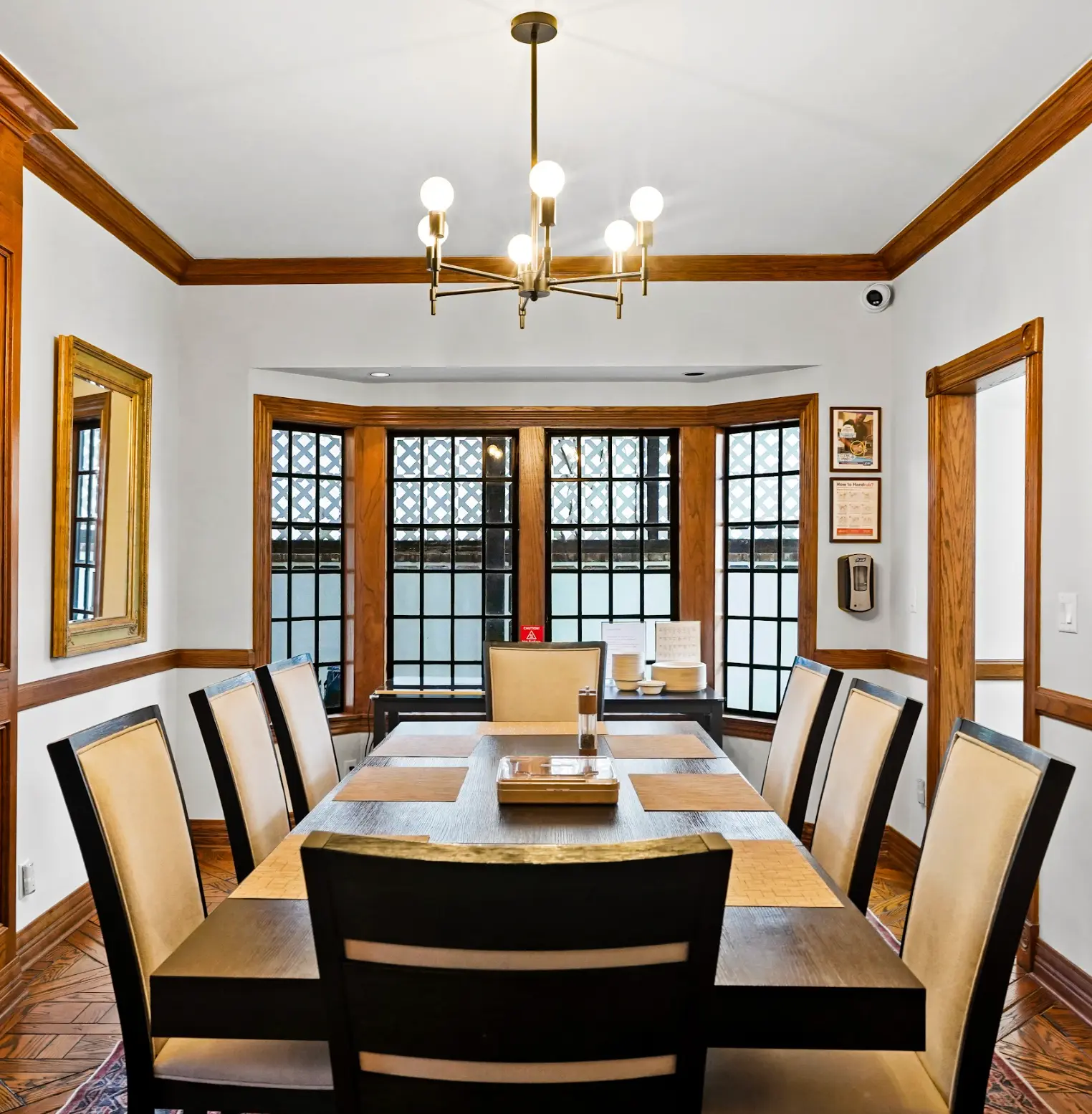
Private, gated 11-bed luxury estate in Los Angeles
Support
24/7 medical monitoring and clinical staff
Length of stay
7 to 90 days, personalized (many clients stay about 30)
Includes
Medically supervised detox, residential treatment, dual-diagnosis care
Treats
Drug and alcohol addiction and co-occurring mental health conditions
Inpatient vs. Other Levels of Care
Not everyone needs the same intensity of care. Here is how ASAM Level 3.5 inpatient rehab compares to the levels of care on either side of it.
| Level of Care | Where You Sleep | Clinical Contact | Best For |
|---|---|---|---|
| ASAM Level 4 — Hospital Detox | Hospital / ICU | ICU-level monitoring | Life-threatening withdrawal |
| ASAM Level 3.5 — Inpatient Rehab (iRely Recovery) | On-site residential | 24-hr nursing, daily physician, and therapy | Severe dependence, withdrawal risk, dual-diagnosis, prior treatment failure |
| ASAM Level 3.1 — Residential | Residential facility | Clinical staff, less intensive | Stable withdrawal, residential structure needed |
| ASAM Level 2.5 — PHP | Home each night | 6+ hrs/day clinical programming | Stable withdrawal, stable home environment |
| ASAM Level 2.1 — IOP | Home each night | 9+ hrs/week programming | Early-stage, lower dependence |
Inpatient Drug Rehab and Inpatient Alcohol Rehab
Whether the struggle is with alcohol or another substance, inpatient care gives your body and mind the safest possible place to heal.
Inpatient Alcohol Rehab
We support you through alcohol withdrawal, which can be medically risky, with 24/7 monitoring, then help you address the patterns and pain underneath the drinking.
Explore Alcohol Rehab →Inpatient Drug Rehab
We treat dependence on opioids, benzodiazepines, stimulants, and other substances, with care matched to each drug and each person.
Explore Drug Rehab →Because addiction so often travels with anxiety, depression, or trauma, our dual-diagnosis program treats substance use and mental health together, not one and then the other.
Inpatient Alcohol Rehab in Los Angeles
Alcohol withdrawal is one of the few withdrawal syndromes that can be fatal without medical supervision. Grand mal seizures can occur within 6 to 48 hours of the last drink, and delirium tremens occurs in 3 to 5% of cases. At iRely Recovery, alcohol detox begins with CIWA-Ar scoring, a physician-directed benzodiazepine taper, and thiamine supplementation to help prevent Wernicke’s Encephalopathy. Explore Alcohol Rehab →
Inpatient Drug Rehab in Los Angeles
Our inpatient drug rehab treats opioid dependence (including fentanyl), benzodiazepine dependence, stimulant use such as meth and cocaine, polysubstance presentations, and co-occurring behavioral addictions. Each substance has a distinct withdrawal profile and gets its own protocol: opioid rehab, meth rehab, benzodiazepine rehab, and fentanyl rehab.
The Two Stages of Inpatient Care
Inpatient care at iRely Recovery moves through two connected stages, under one roof and one team, so the transition is seamless. When you are ready to step down, your team guides you into aftercare.
1
Medically Supervised Detox
Recovery often begins with clearing the substance from your body safely, with 24/7 monitoring and comfort during clinically managed withdrawal, typically over 3 to 10 days.
About Detox →2
Residential Treatment
Once you are stable, the deeper work happens through individual and group therapy, dual-diagnosis care, and family involvement, usually over 7 to 90 days.
About Residential →3
Aftercare and Alumni
When you are ready to step down, your team builds a clear path into aftercare and alumni support, so progress continues after you leave.
About Aftercare →The clinical team administers CIWA-Ar scoring (alcohol withdrawal severity) and COWS scoring (opioid withdrawal severity) at intake, starts medication protocols immediately, and checks vital signs every 2 to 4 hours through the peak withdrawal window.
- Alcohol detox: CIWA-Ar monitoring, thiamine supplementation to help prevent Wernicke’s Encephalopathy, and a physician-directed benzodiazepine taper.
- Opioid and fentanyl detox: COWS-guided monitoring, with an extended timeline for fentanyl due to tissue accumulation; buprenorphine is available at physician discretion.
- Benzodiazepine detox: a physician-guided, individualized taper. Abrupt cessation can cause seizures, so this is never rushed.
- Stimulant detox: psychiatric monitoring from day one, since the crash phase carries a real suicide risk.
At iRely Recovery, the same therapist assigned during detox continues through residential treatment. There is no reassignment, no re-intake, and no disruption to the therapeutic relationship, the kind of continuity that research links to better retention and outcomes.
Is Inpatient Rehab Right for You?
Inpatient care is the right starting point for many people, and our team will help you decide during a confidential assessment. It is often the best fit when:
- Your substance use is severe, long-standing, or involves a high risk of dangerous withdrawal.
- You have tried outpatient treatment or quitting on your own, and it has not held.
- A mental health condition such as anxiety, depression, or trauma is tangled up with your substance use.
- Your home environment makes staying sober extremely difficult.
- You need to fully step away from daily life to focus on recovery.
You do not have to make this call alone. One confidential conversation will help you understand whether inpatient care, or another level of care, is the right place to begin.
What a Day in Inpatient Rehab Looks Like
Days follow a steady, supportive rhythm rather than a rigid schedule. The point is not to fill every hour, but to give you structure and space in equal measure.
| Time of Day | What It Looks Like |
|---|---|
| Morning | Mindfulness, breakfast, and individual therapy. |
| Midday | A group session and a chef-prepared lunch. |
| Afternoon | Experiential or somatic therapy and time for fitness and reflection. |
| Evening | A family session or peer support, and quiet time to process the day. |
Living alongside others who understand what you are going through builds a recovery community that reduces isolation and lasts well beyond your stay.
How Long Is Inpatient Rehab?
There is no single right length. At iRely Recovery, inpatient programs run from 7 to 90 days, and many clients stay about 30. Detox typically takes 3 to 10 days, and residential treatment follows for as long as your recovery needs.
Length of stay is personalized to your clinical milestones rather than a fixed number of days, and our team adjusts your plan as you progress, then prepares you for a strong transition into aftercare.
Research from NIDA consistently finds that treatment lasting fewer than 90 days has limited effectiveness for severe dependence. [5]
The Efficacy of Inpatient Rehab
Research consistently shows that residential and inpatient treatment produces strong outcomes by combining 24/7 structure with comprehensive, evidence-based care. Studies also find that integrating mental health care with addiction treatment improves recovery rates, which matters because most people who need this level of care are also managing a co-occurring condition.
iRely Recovery is built around that evidence. We treat substance use and mental health together, and we provide a seamless pathway from detox through residential treatment and into aftercare, the kind of uninterrupted continuity that studies link to lasting recovery.
Our Inpatient Therapies
Inpatient care at iRely Recovery draws on 13 evidence-based and holistic modalities, tailored into a plan that fits you:
Recovery-Oriented Cognitive Therapy (CT-R)
A framework from the Beck Institute that helps you build a positive, self-directed identity in recovery, not just manage symptoms. One of iRely Recovery’s clinical differentiators. Learn more →
Dialectical Behavior Therapy (DBT)
Teaches distress tolerance, emotional regulation, and interpersonal effectiveness, especially useful when addiction and intense emotions feed each other. Learn more →
Acceptance and Commitment Therapy (ACT)
Helps you accept difficult thoughts and feelings without letting them drive substance use, while committing to actions aligned with your values. Learn more →
Motivational Interviewing
A collaborative, non-confrontational approach that resolves ambivalence about change, often the real barrier early in treatment. Learn more →
Mindfulness-Based Relapse Prevention (MBRP)
Combines mindfulness practice with relapse-prevention skills, helping you recognize cravings and triggers without automatically acting on them.
Luxury Inpatient Rehab: The Estate and Amenities
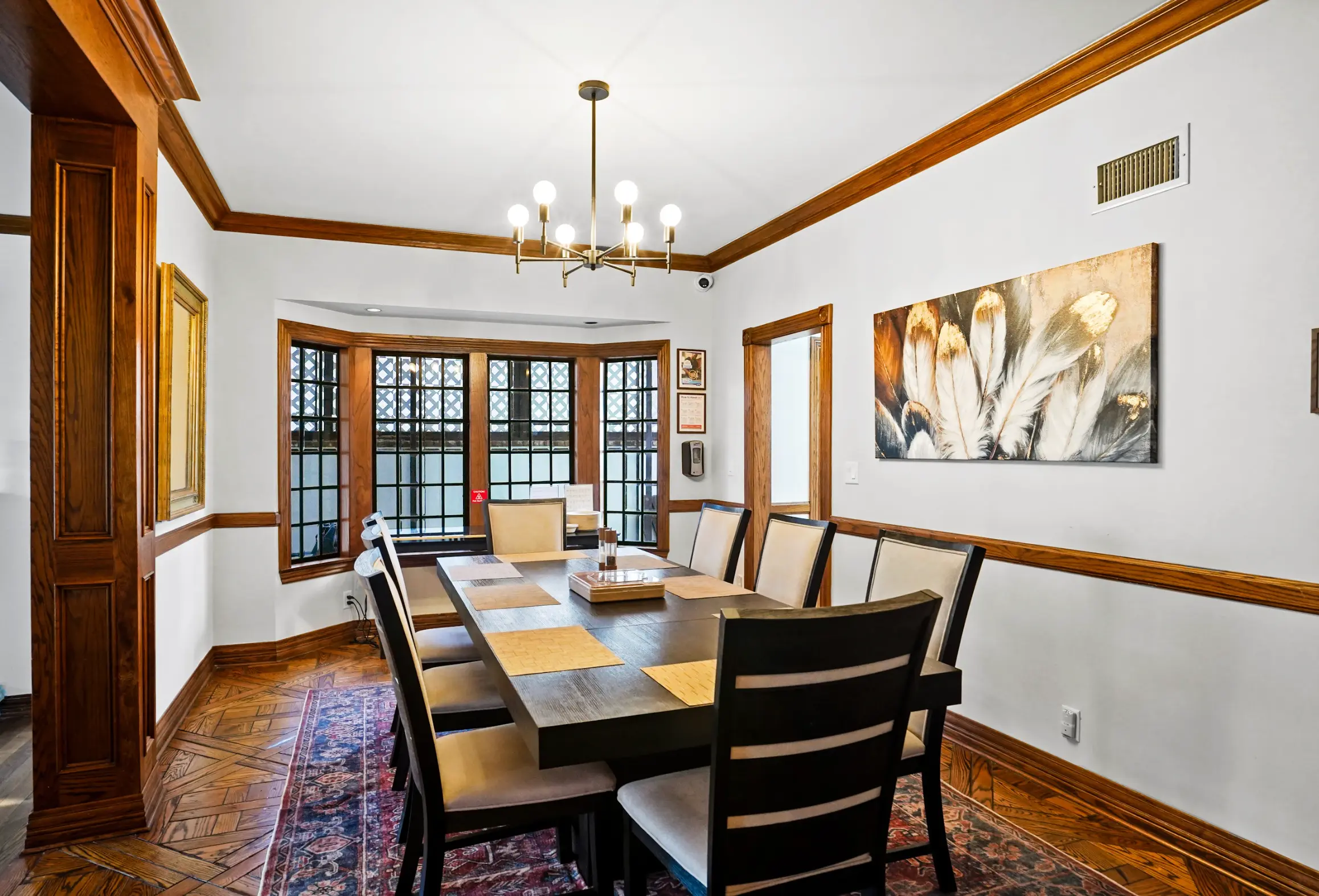
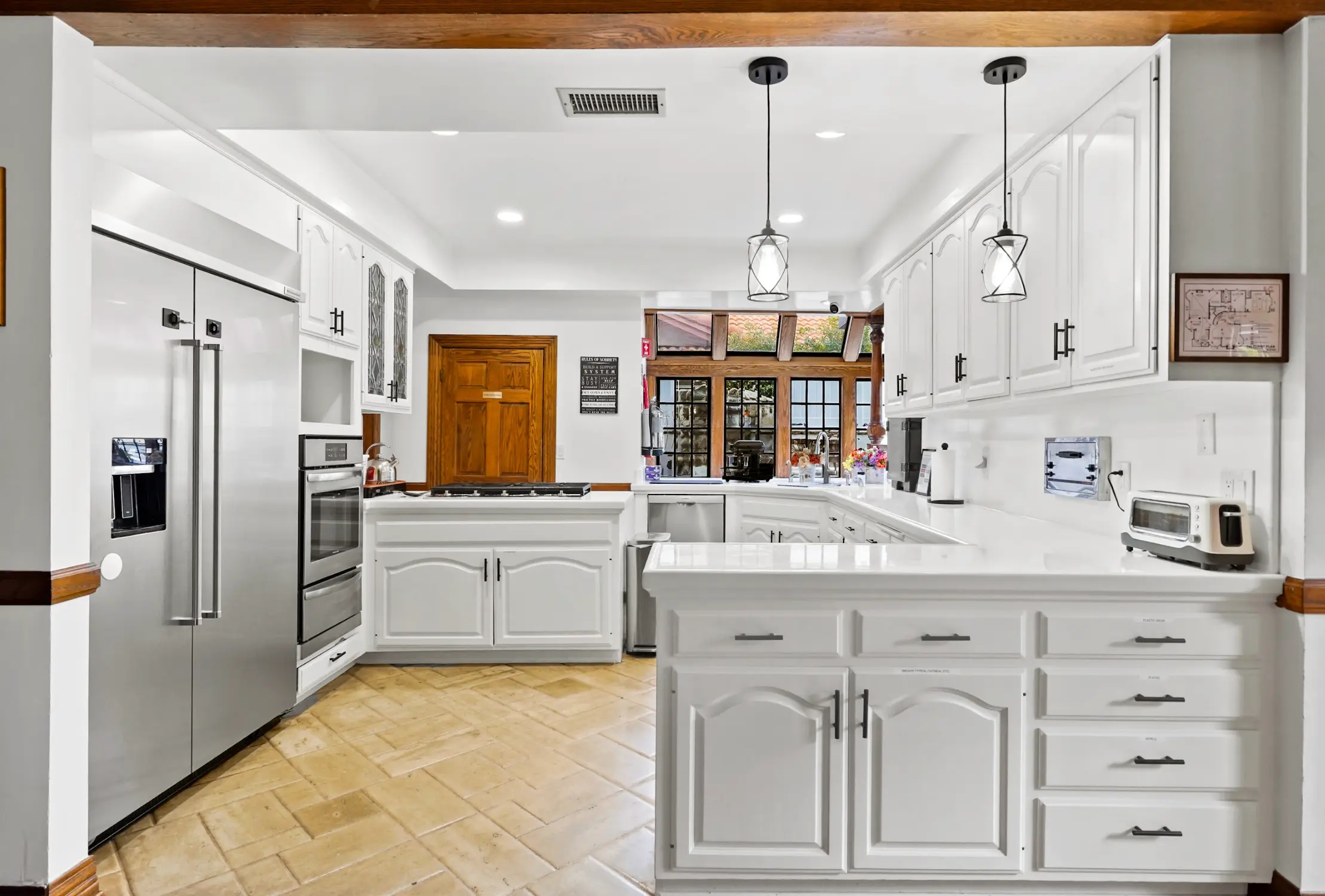
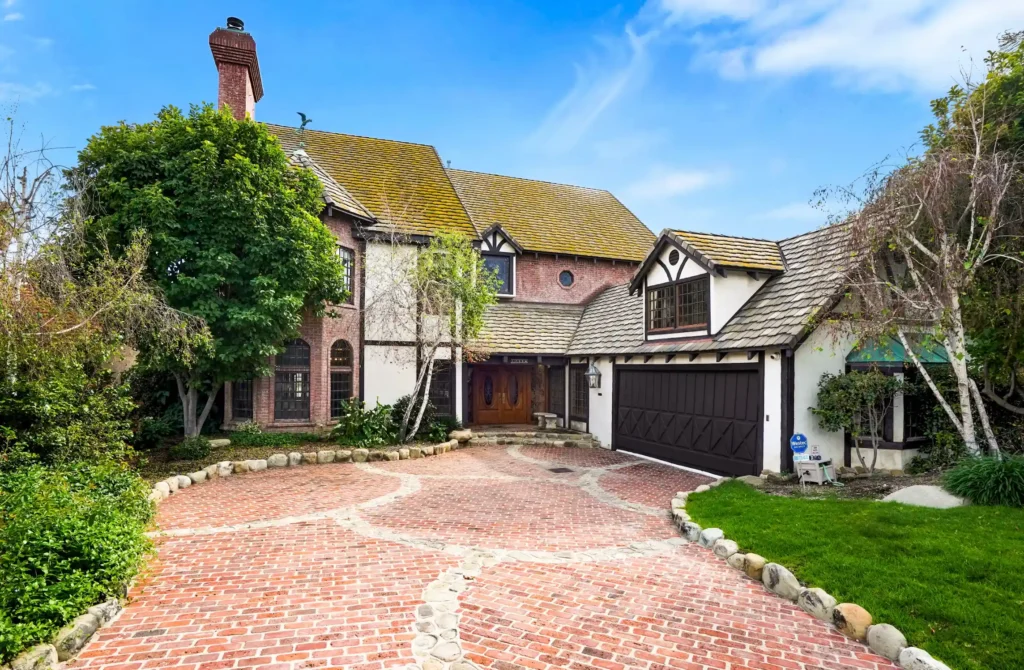
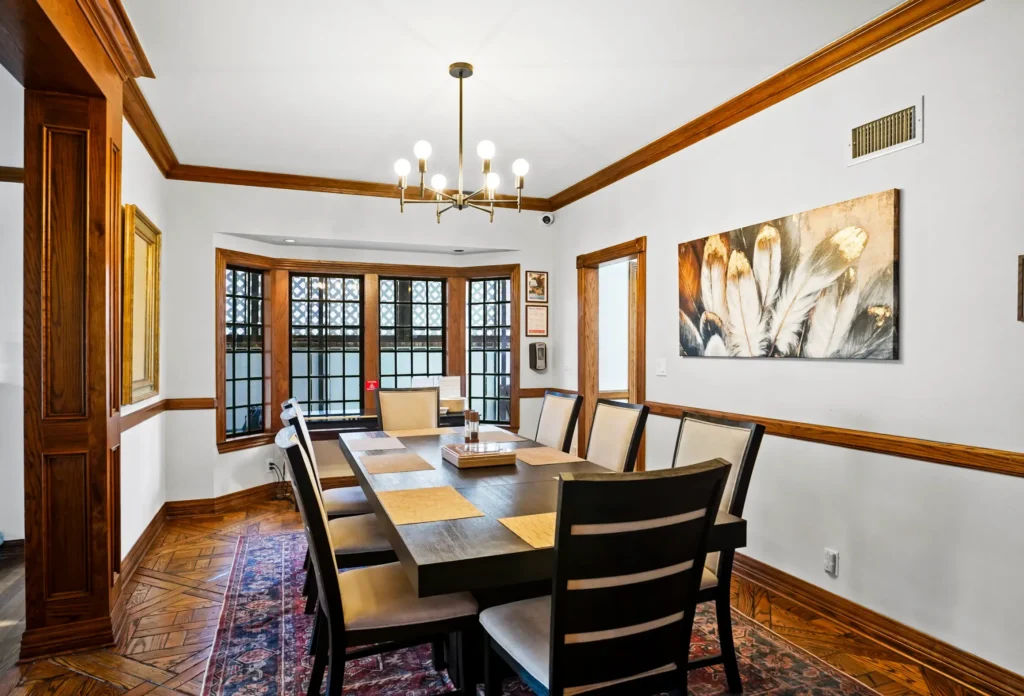
Inpatient recovery is easier in a place that feels like a refuge, not a facility. iRely Recovery is set in two English Tudor-style homes in Sherwood Forest, between Hollywood and Malibu. It is a private, gated 11-bed luxury estate that blends luxurious accommodations with comforting amenities and serious clinical care.
Heated Pool & Spa
Outdoor BBQ & Dining
Private Outdoor Shower
Dedicated Workout Area
Chef-Prepared Meals
Gated, Private Grounds
Private & Shared Living Spaces
Quiet Space for Reflection




Private Inpatient Rehab in Los Angeles
Privacy in addiction treatment is both a personal concern and a clinical requirement for high-profile individuals, executives, and professionals. At 11 beds across two residential homes, iRely Recovery’s scale makes confidentiality inherent. There are no shared wards, no outpatient populations, and no institutional intake corridors.
Luxury Inpatient Rehab Los Angeles
iRely Recovery is set in two English Tudor-style homes in the Sherwood Forest neighborhood of Los Angeles, between Hollywood and Malibu. A heated pool, chef-prepared meals, and gated private grounds support recovery by design, comfortable, non-institutional settings improve treatment retention.
Executive Inpatient Rehab Los Angeles
- A single admissions coordinator guides you from first call through discharge planning.
- HIPAA-compliant intake, with no release to third parties without written authorization.
- EAP-compatible documentation is available for leave-of-absence planning upon written request.
- No outpatient co-mingling: care is residential-only throughout detox and treatment.
- A maximum of 11 concurrent residents keeps the kind of structural privacy larger programs cannot offer.
Ready to talk? Every call is completely confidential.
How Much Does Inpatient Rehab Cost?
The cost of inpatient rehab depends on your length of stay and the level of care you need, and most major PPO plans help cover it. iRely Recovery works with Aetna, Blue Cross Blue Shield, Cigna, and Humana.
Verifying your benefits is quick, confidential, and carries no obligation. Our admissions team can confirm what your insurance covers and walk you through any out-of-pocket costs before you make a decision, so there are no surprises.



What Our Alumni Say
“
I met Vinsent during my second time in recovery six years ago, and his guidance, encouragement to join a 12-step program, and deep understanding of addiction have been life-changing. When we met, I was broken, without direction, and using substances to escape myself. Today, I am six years sober, living with purpose, and finally comfortable in my own skin. Thanks to the principles of the 12-step program and Vinsent’s mentorship, I now enjoy a beautiful life in recovery, maintaining a 4.0 GPA as a PhD student in clinical psychology, nurturing a loving relationship, and sharing joy with others as it was once shared with me.
Paul J., iRely Recovery alumnusFrequently Asked Questions About Inpatient Rehab
What is inpatient rehab?
Inpatient rehab, also called residential treatment, is the highest level of addiction care. You live on-site with 24/7 medical and clinical support, fully removed from daily triggers, so you can focus entirely on recovery. It is often recommended for severe addiction or co-occurring mental health conditions.
What is the difference between inpatient and outpatient rehab?
Inpatient rehab means you live on-site with round-the-clock care. Outpatient options like PHP and IOP let you live at home while attending treatment. Inpatient is the most immersive and intensive level of care.
Does inpatient rehab include detox?
Yes. At iRely Recovery, inpatient rehab begins with medically supervised detox when needed, then moves into residential treatment, all in the same place with the same team.
How long is inpatient rehab?
Programs range from 7 to 90 days depending on clinical need, with many clients staying about 30 days, followed by aftercare and alumni support.
How much does inpatient rehab cost, and does insurance cover it?
Cost depends on length of stay and level of care, and most major PPO plans help cover inpatient rehab. iRely Recovery works with Aetna, Blue Cross Blue Shield, Cigna, and Humana. You can verify your benefits confidentially with no obligation.
What is ASAM Level 3.5?
ASAM Level 3.5, High-Intensity Residential Treatment, requires 24-hour awake clinical staffing, daily physician contact, and medically monitored withdrawal management. It is defined by the American Society of Addiction Medicine. iRely Recovery is DHCS licensed (#191516AP) and Joint Commission Gold Seal accredited at this level.
What is the best inpatient rehab in Los Angeles?
Key evaluation criteria: ASAM level, DHCS licensing, Joint Commission accreditation, physician staffing model, program scale, and detox-to-residential continuity. iRely Recovery offers ASAM Level 3.5 care, DHCS licensing (#191516AP), Joint Commission Gold Seal accreditation, 11-bed same-facility continuity, and the CT-R clinical framework from the Beck Institute.
Is there a private or executive inpatient rehab in Los Angeles?
iRely Recovery’s 11-bed residential model provides structural confidentiality: a single admissions coordinator, HIPAA-compliant intake, no shared wards, and no outpatient co-mingling. EAP-compatible documentation is available upon written request, alongside ASAM Level 3.5 clinical care. Call (818) 262-3537 for confidential admissions.
Can I bring my phone to inpatient rehab?
Technology policies at iRely Recovery are managed clinically rather than by blanket restriction. Your primary therapist determines appropriate boundaries based on your individual recovery needs, family responsibilities, and professional obligations, balancing connectivity with the immersive focus that residential treatment provides.
What therapies are used in inpatient rehab?
iRely Recovery’s inpatient program draws on 13 modalities: CT-R (Beck Institute), CBT, DBT, trauma-informed care, ACT, Motivational Interviewing, MBRP, family therapy, daily individual therapy, group therapy, somatic therapy, experiential therapy, and adventure therapy. Programming is personalized to each clinical presentation.
What happens after inpatient rehab?
iRely Recovery builds an individualized aftercare plan before discharge, whether that means PHP or IOP, sober living, alumni support, or direct reintegration. Your primary therapist guides this transition, maintaining clinical continuity through aftercare and beyond the residential program.
What is the difference between inpatient and residential treatment?
At iRely Recovery, the two terms describe one continuous stay: inpatient care begins with medically supervised detox when needed, then moves directly into residential treatment, in the same facility with the same clinical team, with no transfer and no disruption to the therapeutic relationship.
Start Inpatient Rehab in Los Angeles
Inpatient rehab gives you something daily life rarely does: the time and space to heal, fully supported. If you are ready, iRely Recovery is here to help you take the first step, privately and without pressure.
Available 24/7 · 100% confidential
Sources
[1] Center for Substance Abuse Treatment. Specialized Substance Abuse Treatment Programs. SAMHSA; National Library of Medicine. https://www.ncbi.nlm.nih.gov/books/NBK64815/ on June 25, 2026
[2] de Andrade, D., et al. (2019). The effectiveness of residential treatment services for individuals with substance use disorders: A systematic review. Drug and Alcohol Dependence. https://pubmed.ncbi.nlm.nih.gov/31561008/ on June 25, 2026
[3] American Society of Addiction Medicine. (2024). The ASAM Criteria and Levels of Care. ASAM. https://www.asam.org/asam-criteria on June 25, 2026
[4] Melemis, S. M. (2015). Relapse Prevention and the Five Rules of Recovery. Yale Journal of Biology and Medicine; National Library of Medicine. https://pmc.ncbi.nlm.nih.gov/articles/PMC4553654/ on June 25, 2026
[5] National Institute on Drug Abuse. Principles of Drug Addiction Treatment: A Research-Based Guide. NIDA. https://nida.nih.gov/publications/principles-drug-addiction-treatment-research-based-guide-third-edition on August 24, 2026