Call (818) 262-3537 · Available 24/7 · 100% confidential
Rehab for Athletes in Los Angeles
11-BedLuxury Residential
ASAM 3.5Level of Care
24/7Medical Monitoring
4.9★37 Reviews
INTRO
You were trained to push through pain, not to ask for help with it. So when the injury meds, the drinking, or the something-to-take-the-edge-off stopped being about recovery and started running your life, you handled it the way you handle everything: quietly, alone, and at full speed.
At iRely Recovery, you can stop competing for a moment and start healing. Our rehab for athletes in Los Angeles treats the realities that drive substance use in sport: chronic pain, performance pressure, and the loss of identity when the game changes. You get serious clinical care in a private, luxury setting, with a clear plan for the life and the comeback ahead.
What Is Rehab for Athletes?
Rehab for athletes is addiction treatment built around the physical and mental demands of a sporting life. It delivers the same clinical depth as any high-quality residential program: medically supervised detox, evidence-based therapy, and dual-diagnosis care, but adds what athletes actually need: non-addictive pain management, mental-health support, and a realistic plan for returning to training or to life after sport.
For many athletes, the obstacle is not the treatment. It is the fear of being seen as weak, the worry about a roster spot or a contract, and the belief that stepping away means falling behind. A program built for athletes removes those obstacles, so getting well does not have to cost you your career or your privacy.
At iRely Recovery, that care happens in a private, luxury setting in Sherwood Forest: two gated English Tudor-style homes that feel like a refuge rather than an institution, and never a crowd.

Is This You?
Athletes we treat are current, injured, and retired. Many recognize themselves in a few of these:
- A painkiller you were prescribed for an injury became something you reach for even when you are not hurting.
- You use stimulants to stay sharp and something else to come down, just to keep up with the schedule.
- You have hidden how much you are drinking or using from teammates, coaches, and family.
- Since an injury, a losing season, or retirement, you do not feel like yourself anymore.
- You know something is off, but admitting it feels like admitting you are not tough enough.
If any of that sounds familiar, you’re not weak and you’re not alone. Addiction is a medical condition, not a personal failing, and it’s one that responds to the right treatment.
Why Athletes Choose iRely
Care for the Whole Athlete
We treat the substance use, the pain underneath it, and the mental health that fuels it, all at the same time, rather than one and then the next.
Privacy That Protects Your Career
Two private, gated estates, controlled access, optional NDAs, and HIPAA-protected records mean your recovery never becomes a story for teammates, media, or fans.
A Plan to Get You Back
Treatment is built with your future in mind, whether that means a healthy return to training or a strong start to life after sport.
A Luxury, Boutique Setting
We intentionally limit how many clients we serve, so you get a low client-to-staff ratio and individual attention larger facilities cannot offer.
When Pain Management Becomes Dependence
In sport, pain is expected, and pushing through it is rewarded. Many athletes are first introduced to opioids, muscle relaxants, or anti-inflammatories not to get high, but to heal and keep playing. Over time, the line between managing pain and avoiding it can disappear.
More than half of retired NFL players used opioids during their careers, and most of those misused them.
— Cottler et al., 2011
— Cottler et al., 2011
At iRely Recovery, we treat that pathway directly. Our medically supervised detox is paired with non-addictive approaches to pain: somatic therapy, physical movement, mindfulness, and other evidence-based tools, so you can come off opioids or benzodiazepines safely without trading one dependence for another.
Performance, Identity, and Life After the Game
For most athletes, identity and performance are tied together. The same drive that built your career can also make rest, mistakes, and asking for help feel unacceptable. Some athletes lean on stimulants to stay sharp, then on something else to come down, until focus and sleep both depend on a substance. Others struggle most when the game changes (after an injury or in retirement), when the structure and identity that defined them suddenly fall away.
We treat all of it. Many athletes are also managing depression, anxiety, or trauma in silence; research suggests about a third of elite athletes experience a mental health concern during or after their careers (Gouttebarge et al., 2019). Our dual-diagnosis program addresses anxiety, depression, and PTSD alongside substance use, and helps you rebuild an identity that is bigger than your results.
Confidentiality and Privacy
For many athletes (especially those in the public eye), privacy is the difference between getting help and not getting it at all. At iRely it is structural: built into where you stay, who has access, and how you arrive.
Our Clinical Approach
Behind the comfort is serious clinical care. iRely Recovery provides treatment at the ASAM Level 3.5 standard, with 24/7 medical monitoring and a team experienced in treating athletes and other high-performers. Your personalized plan may draw on any of our 13 therapeutic modalities, including:
Because the pressures of sport so often sit alongside anxiety, depression, or trauma, our dual-diagnosis program treats both together, not one and then the other.
Ready to talk? Every call is completely confidential.
The iRely Athlete Recovery Model
Recovery for an athlete is not only about stopping a substance. It is about restoring the body, the mind, and a sense of purpose, with a realistic plan for what comes next. Our athlete recovery model is built around that whole picture:
1
Step 1
Confidential Intake
A private assessment and a quiet, discreet admission, with optional coordination with the people you trust.
2
Step 2
Detox With Pain Support
Safe, medically supervised withdrawal paired with non-addictive pain management — not another prescription cycle.
3
Step 3
Whole-Person Clinical Care
Evidence-based therapy and dual-diagnosis treatment that address the substance, the pain, and the mental health behind it.
4
Step 4
Identity & Purpose Work
Support for performance anxiety, perfectionism, and the identity shift that comes with injury or retirement.
5
Step 5
A Plan for What's Next
A clear path into aftercare and, where appropriate, a structured return to training or to life after sport.
What to Expect: Your First 30 Days
Every stay is personalized, but most clients move through a similar arc:
1
Days 1–3
Detox & Intake
Medically supervised detox with 24/7 monitoring, alongside a full clinical assessment that shapes your plan.
2
Week 1
Stabilization
As your body and mind settle, individual therapy begins and your personalized treatment plan takes shape.
3
Weeks 2–3
Core Work
Individual and group therapy, dual-diagnosis care, family sessions and, where appropriate, your first monitored work windows.
4
Week 4+
Transition
Relapse-prevention planning and a clear path into aftercare and alumni support, so progress continues after you leave.
A Day at iRely
Days follow a steady, supportive rhythm rather than a rigid schedule:
| Time of Day | What It Looks Like |
|---|---|
| Morning | Mindfulness, breakfast, and individual therapy. |
| Midday | A group session, a chef-prepared lunch, and time for movement or physical therapy. |
| Afternoon | Experiential or somatic therapy and time for fitness and reflection. |
| Evening | A family session or alumni support, and quiet time to process the day. |
The point isn’t to fill every hour. It’s to give you structure and space in equal measure.
The Estate and Amenities
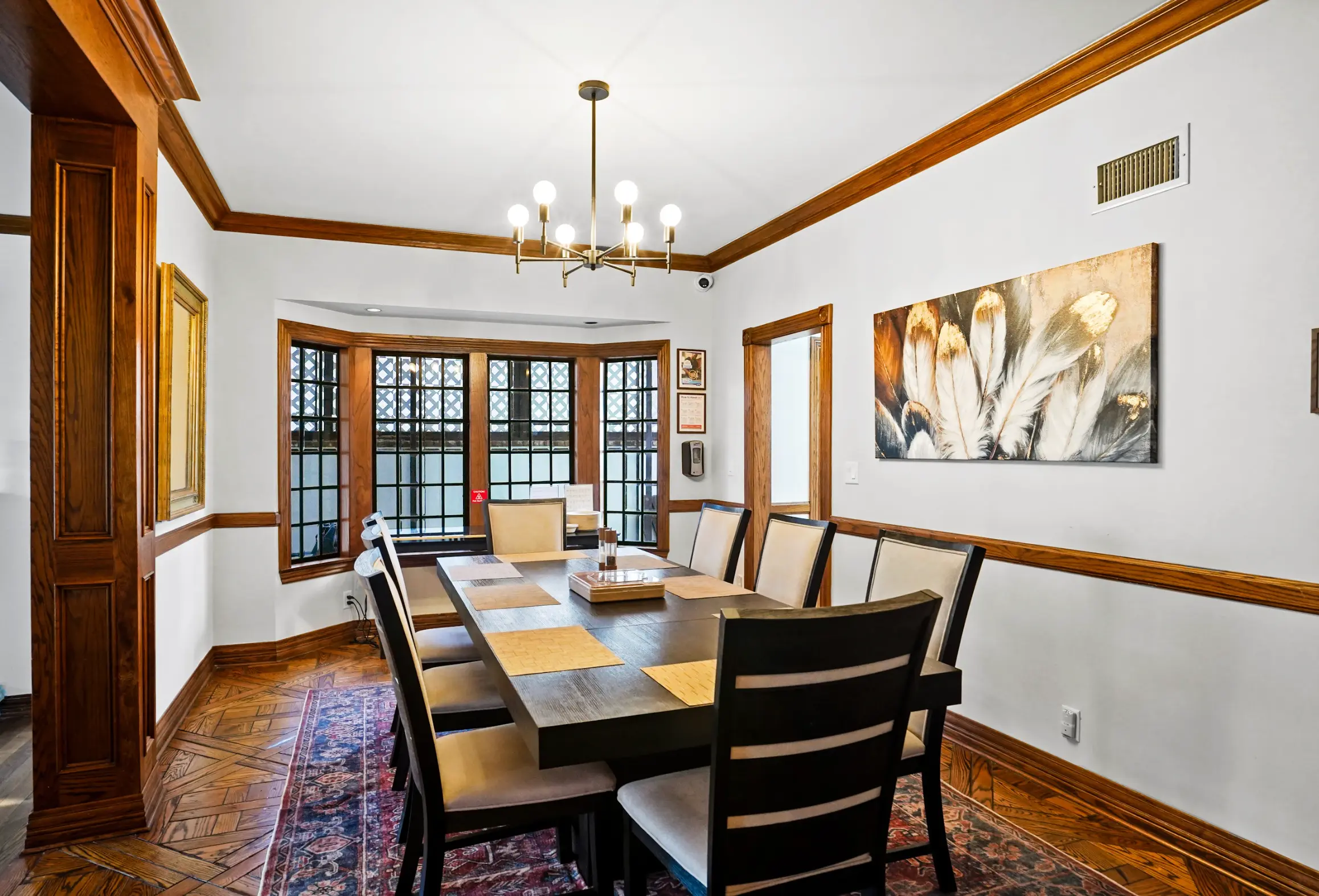
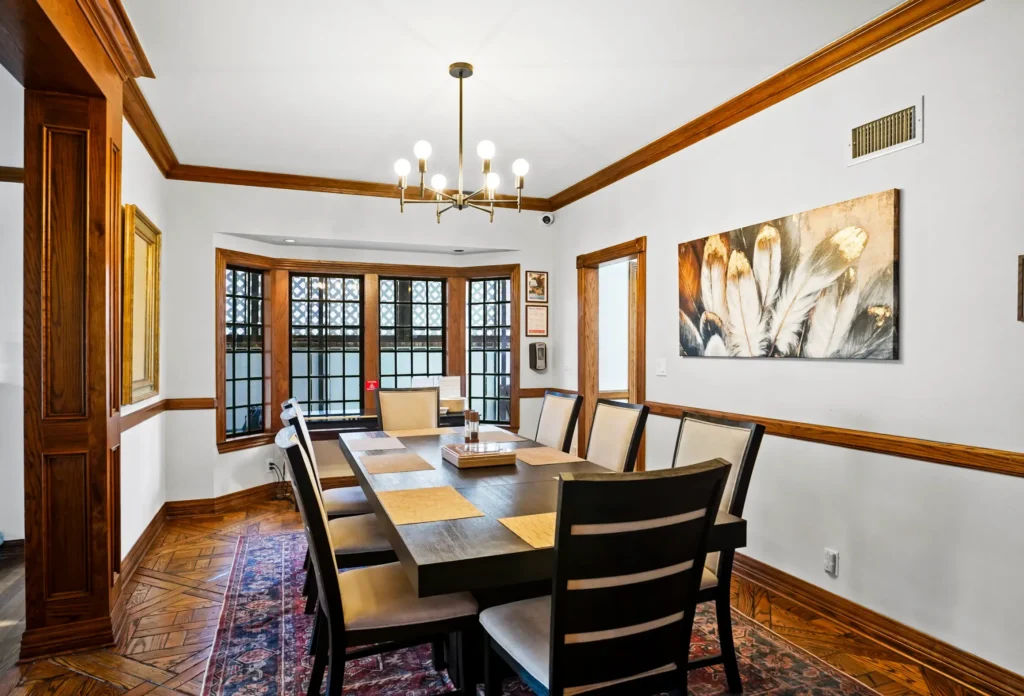
Recovery is easier in a place that feels like a refuge, not a facility. iRely Recovery is set in two English Tudor-style homes in Sherwood Forest, between Hollywood and Malibu, a private, gated 11-bed luxury estate that blends luxurious accommodations with comforting amenities and serious clinical care.
The grounds were chosen for calm and privacy, with comfortable shared spaces, quiet corners for reflection, and room to rest, work when it’s appropriate, and simply breathe.
Heated Pool & Spa
Outdoor BBQ & Dining
Private Outdoor Shower
Dedicated Workout Area
Chef-Prepared Meals
Gated, Private Grounds
Private & Shared Living Spaces
Quiet Space for Reflection





Take the first private step toward your comeback.
Conditions We Treat
Substance use in athletes rarely stands alone. Many of the athletes we treat are managing a substance issue and an underlying condition at the same time, and lasting recovery means treating both, together. Our dual-diagnosis program addresses substance use and mental health side by side. Common areas of focus include:
If you don’t see your exact situation here, one confidential call will tell you whether iRely Recovery is the right fit.
Insurance and Cost
Quality treatment is an investment. For most athletes, the real question is whether care will stay private and whether it will protect their long-term health and career. iRely Recovery works with most major PPO plans: including Aetna, Blue Cross Blue Shield, Cigna, UnitedHealthcare, Humana, and Kaiser. Verifying your benefits is quick, confidential, and carries no obligation.




How Admissions Works
Reaching out is the hardest part. From there, we keep the process simple and discreet.
1
Step 1
A Confidential Call
Speak privately with our admissions team. We listen, answer your questions, and never pressure you.
2
Step 2
Insurance & Assessment
We verify your benefits and complete a brief clinical assessment to understand exactly what you need.
3
Step 3
A Discreet Arrival
We arrange a quiet admission, including private transport if you’d like it, so even the first step stays between us.
4
Step 4
Your Personalized Plan
Your clinical team builds a plan around your situation, and your care begins.
Call (818) 262-3537 whenever you’re ready. Available 24/7, 100% confidential.
What Our Alumni Say
“
I thought asking for help meant my career was over. iRely got me off the pills, treated what was underneath, and gave me a plan to come back stronger.
— iRely Recovery alumnusFrequently Asked Questions
Can I keep treatment confidential as an athlete?
Yes. Confidentiality is structural at iRely Recovery. Treatment takes place at a private, gated residence, staff interactions can be governed by NDAs, visitor access is controlled, and your records are protected under HIPAA. With only 11 beds, there are far fewer eyes than at a large facility, and admissions can be arranged quietly with discreet private transport.
How do you handle pain without addictive medication?
Our medically supervised detox is paired with non-addictive approaches to pain, including somatic therapy, physical movement, and mindfulness, so you can stabilize without trading one dependence for another.
Will treatment ruin my season or my career?
Our goal is the opposite. We build your plan with your future in mind, whether that is a healthy return to training or a strong start to life after sport, and we can coordinate quietly with the people you trust.
How long does rehab for athletes take?
Every stay is personalized. Most clients complete residential treatment in about 30 days, though programs range from 7 to 90 days depending on clinical need, followed by aftercare and alumni support.
Does insurance cover rehab for athletes?
Often, yes. iRely Recovery works with most major PPO plans, including Aetna, Blue Cross Blue Shield, Cigna, UnitedHealthcare, Humana, and Kaiser. You can verify your benefits confidentially with no obligation.
Take the First Step
You have spent your life showing up for the team. Let someone show up for you. One confidential conversation is all it takes to understand your options, and nothing leaves that call.
Available 24/7 · 100% confidential
Sources & References
Cottler, L. B., et al. (2011). Injury, pain, and prescription opioid use among former NFL football players. Drug and Alcohol Dependence.
Gouttebarge, V., et al. (2019). Occurrence of mental health symptoms and disorders in current and former elite athletes: a systematic review and meta-analysis. British Journal of Sports Medicine.
American Society of Addiction Medicine (ASAM). The ASAM Criteria and levels of care.
Substance Abuse and Mental Health Services Administration (SAMHSA). Co-occurring disorders and treatment.
National Institute on Drug Abuse (NIDA). Principles of effective treatment.