
Need Professional Help with Addiction?
Behavioral Health FAQs
Table of Contents
Key Points
- Luxury rehab ($20K-$80K/month) emphasizes amenities; standard rehab ($5K-$20K/month) prioritizes clinical infrastructure.
- Clinical outcomes are driven by staff credentials and evidence-based modalities, not by property values or amenities.
- ASAM Level 3.5 programs offer 24/7 medically supervised care with dual diagnosis capability at a fraction of luxury pricing.
- The Mental Health Parity Act (MHPAEA) means insurance often covers more of a licensed standard program than a cash-pay luxury one.
- Small 10-12 bed residential homes can provide privacy and confidentiality comparable to large luxury campuses.
- Ask any program: DHCS license, Joint Commission/CARF accreditation, clinical director credentials, and staff-to-client ratio.
When people begin searching for addiction treatment, one of the first distinctions they encounter is the difference between luxury rehab and standard rehab. The price difference can be dramatic, ranging from a few thousand dollars to tens of thousands per month. But does paying more actually produce better outcomes?
The honest answer is: it depends entirely on what you are paying for. Luxury rehab that prioritizes high-thread-count sheets over clinical staff credentials is money spent on comfort rather than recovery. Standard rehab that employs licensed clinicians and evidence-based modalities may produce outcomes equal to or better than a far more expensive program.
This guide breaks down the real differences between luxury rehab and standard rehab, what the research says about outcomes, and what to prioritize when selecting a residential treatment program that matches your clinical needs and personal circumstances.
What Is Luxury Rehab?
Luxury rehab programs typically charge $20,000 to $80,000 or more per month and emphasize high-end amenities alongside clinical programming. These facilities may include private suites, gourmet chef-prepared meals, swimming pools, equine therapy, yoga studios, and concierge-level service. Many are located in scenic settings: Malibu beachfront properties, desert retreats, or mountain estates.
The appeal is real. When someone is already resistant to treatment, an environment that feels comfortable and desirable may lower the psychological barrier to entering care. Privacy is also a significant draw, particularly for executives, public figures, and high-profile clients for whom anonymity is important.
However, not all luxury programs employ the clinical infrastructure to match their price point. A luxury setting is not a clinical guarantee. The presence of a swimming pool says nothing about whether the facility employs a licensed psychiatrist or uses validated treatment protocols.
What Is Standard Rehab?
Standard rehab typically refers to residential or inpatient programs that charge $5,000 to $20,000 per month. These facilities focus clinical resources on staff credentialing, therapeutic programming, and medical oversight rather than physical amenities. Rooms are functional rather than luxurious. Meals are nutritious but not gourmet. The focus is on clinical outcomes rather than client comfort.
Many of the most clinically effective programs in the country operate at this tier. ASAM Level 3.5 programs, for example, provide 24-hour medically supervised care with structured therapeutic programming and dual diagnosis capability. iRely Recovery operates at ASAM Level 3.5, providing clinical depth that rivals or exceeds many luxury programs at a fraction of the cost.
Standard does not mean substandard. It means that clinical investment takes priority over aesthetic investment. For most people seeking addiction treatment, this trade-off produces better long-term outcomes because clinical quality, not comfort level, is what drives sustained recovery.
Luxury Rehab vs Standard Rehab: Key Comparisons
Cost and Insurance Coverage
Luxury rehab programs frequently operate outside of insurance networks entirely, meaning clients pay the full cost out of pocket. While some programs provide superbills for out-of-network reimbursement, the upfront financial burden can be prohibitive. This model can also create perverse incentives, as programs that rely entirely on cash-pay clients may have less accountability to clinical outcome standards.
Standard rehab programs, particularly those with state licensure and national accreditation, are more likely to accept insurance on an in-network or out-of-network basis. The Mental Health Parity and Addiction Equity Act requires that insurance coverage for addiction treatment be comparable to medical coverage, which can significantly offset the cost of treatment at a licensed, accredited facility.
Clinical Staff and Credentials
This is where the luxury vs standard distinction matters most. Clinical quality is determined by staff credentials and evidence-based programming, not by property values. When comparing programs, ask both luxury and standard facilities the same questions: Is there an on-site physician? Is there a licensed psychiatrist available for dual diagnosis assessment? What are the credentials of the primary therapists?
At iRely Recovery, our clinical team includes a UCLA-affiliated addiction psychiatrist, licensed nurses all of whom are in recovery with a minimum of five years clean and sober, and licensed clinicians (AMFTs) specializing in grief and loss, self-harm, and addiction recovery. This clinical depth is comparable to programs charging three times as much.
Privacy and Setting
Privacy is one area where luxury programs hold a genuine advantage, particularly for public figures or clients concerned about professional consequences. However, standard programs that operate small, residential-style facilities can offer significant privacy without the luxury price tag.
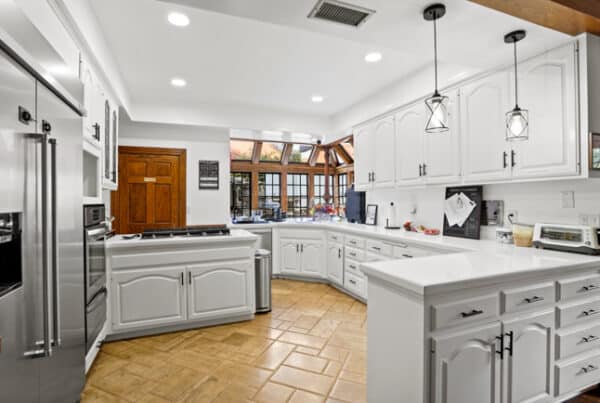
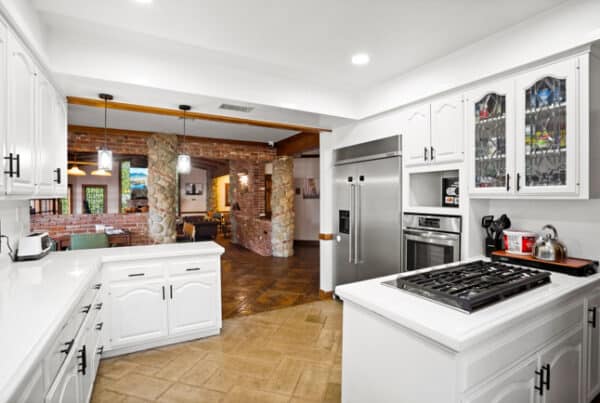
iRely Recovery’s 11-bed Tudor-style home in Sherwood Forest, Los Angeles offers a genuinely private, home-like therapeutic environment. The small census means fewer strangers, tighter confidentiality, and a more personally connected treatment experience. You can review the environment and our treatment overview to understand what daily life looks like during your stay.
Why iRely Recovery Offers Clinical Excellence Without the Luxury Premium
Adventure Therapy and Experiential Programming Embedded in Clinical Care
One hallmark of luxury rehab programs is experiential programming: outdoor activities, equine therapy, art therapy, and similar modalities designed to engage clients who are resistant to traditional talk therapy. At iRely Recovery, adventure therapy and experiential therapy are integrated into our clinical programming, not offered as premium add-ons. These evidence-supported modalities help clients process difficult emotions, build self-efficacy, and develop healthy coping strategies outside the clinical session room.
This integration of experiential and clinical programming is what separates iRely Recovery from both budget programs that offer group sessions only and luxury programs that treat experiential activities as amenities rather than clinical tools.
Motivational Interviewing and ACT Woven into Daily Treatment
The clinical philosophy at iRely Recovery is built around motivational interviewing and Acceptance and Commitment Therapy (ACT), two evidence-based approaches that have demonstrated consistent effectiveness in addiction treatment research. Motivational interviewing meets clients where they are in terms of readiness for change. ACT helps clients develop psychological flexibility, accept difficult emotional experiences, and commit to values-driven behavior rather than substance-driven avoidance.
These modalities are woven into daily clinical contact at iRely Recovery, not confined to weekly one-hour sessions. This daily integration of evidence-based clinical approaches produces deeper therapeutic impact than programs that rely on unstructured group time or generic 12-step content alone.
Somatic and Mindfulness-Based Therapy for Whole-Person Recovery
Luxury rehab programs often market holistic care as a premium feature. At iRely Recovery, somatic therapy and mindfulness-based therapy are standard components of every client’s treatment plan. Somatic approaches address the physical manifestation of trauma and stress stored in the body, an area that purely cognitive treatment approaches often miss. Mindfulness-based therapy builds the awareness and regulation skills that support long-term recovery without relapse.
These are not wellness extras. They are clinically validated components of comprehensive addiction treatment that most standard programs do not offer and that luxury programs often market as justification for their premium pricing.
Ready to Find the Right Level of Care?
Whether you are evaluating luxury rehab or standard rehab options, the most important step is speaking with a qualified clinical team that can assess your individual needs. iRely Recovery offers a no-pressure admissions call where our team will answer your clinical questions honestly, verify your insurance, and walk you through what our program involves.
Call (818) 262-3537 today. Same-day admission is available for qualified clients. You deserve care that prioritizes your recovery, not a price tag.
Healthcare providers: iRely Recovery is a trusted referral partner for physicians, therapists, and case managers throughout the Los Angeles area. Our ASAM Level 3.5 program and rapid intake process make us a reliable placement option for your patients who need residential or detox-level care.
Frequently Asked Questions
Below are some of the most frequently asked questions regarding these two medications.
Sources
[1] American Society of Addiction Medicine. The ASAM Criteria: Treatment Criteria for Addictive, Substance-Related, and Co-Occurring Conditions. asam.org
[2] U.S. Department of Labor. “Mental Health Parity and Addiction Equity Act (MHPAEA).” dol.gov
[3] National Institute on Drug Abuse. “Principles of Effective Treatment.” NIDA Principles of Effective Treatment
iRely Recovery Editorial Policy
When you choose to walk with us on your journey to recovery, you deserve information that lifts you up rather than weighs you down. Our Editorial Policy ensures that all content we produce is crafted to put clarity, credibility, and compassionate context in your hands. Resources are written by or in collaboration with industry professionals and receive additional medical review to ensure accuracy.
Read More About Our Process