


Need Professional Help with Addiction?
Behavioral Health FAQs
Table of Contents
Key Points
- Norco typically clears from your bloodstream within 24 to 36 hours but remains detectable in urine for 3 to 4 days.
- Hydrocodone has a half-life of 4 to 6 hours, while acetaminophen clears faster.
- Detection times vary based on dosage, metabolism, and kidney function.
- Standard drug tests may not detect Norco unless screening for semi-synthetic opioids.
Introduction: Quick Answer & Why It Matters
Norco pairs hydrocodone with acetaminophen to form a pain reliever reserved for moderate‑to‑severe pain that hasn’t responded to other treatments and remedies. If you take this drug or are concerned about drug testing, learning how long it lingers in your body is vital for your safety and peace of mind.
Quick answer: Norco has a half-life of 4 to 6 hours for hydrocodone, typically clearing from your bloodstream within 24 to 36 hours. However, it remains detectable in urine for 3 to 4 days, occasionally longer depending on individual factors like kidney function and dosage.
This knowledge helps you maintain consistent medication schedules, prepare for workplace or legal drug testing, prevent dangerous drug interactions when starting new medications, and guide safe tapering when you and your healthcare provider decide to discontinue Norco.
How Norco Is Metabolized & Elimination Half-Life
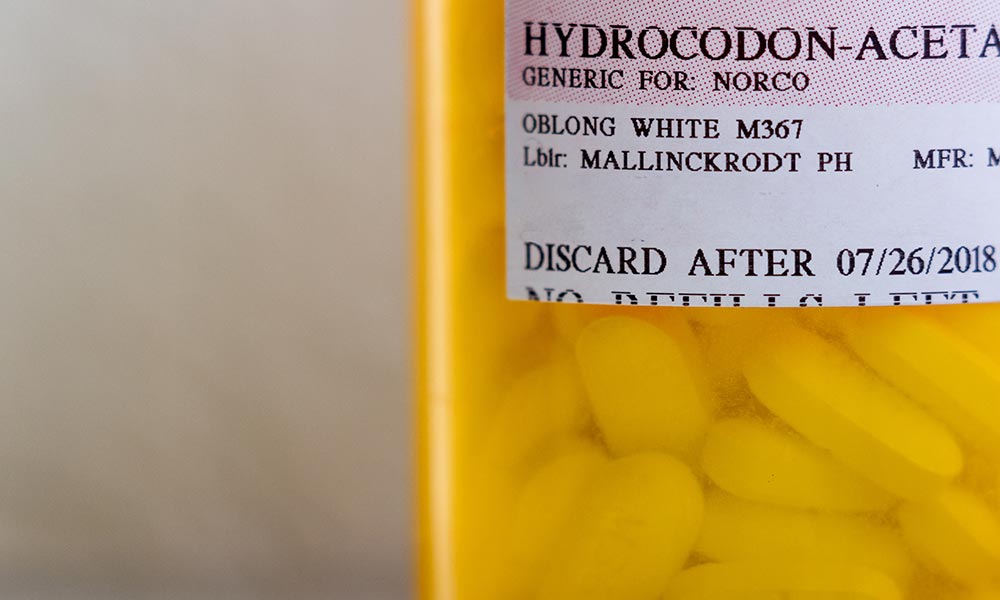
Norco combines two active ingredients that work together for pain relief [1]. Hydrocodone is an opioid analgesic [2] that provides potent pain control, while acetaminophen is a non-opioid pain reliever and fever reducer that enhances hydrocodone’s effectiveness. Hydrocodone is taken by mouth as a tablet, capsule, solution, or syrup; acetaminophen is also taken by mouth in tablet, capsule, or liquid form.)
Hydrocodone has an elimination half-life of approximately 4 to 6 hours in people with normal liver and kidney function. The half-life represents the time it takes for half of the drug dose to be eliminated from your bloodstream. It typically takes about 5 to 7 half-lives for a medication to be completely cleared from your system. This means hydrocodone is usually eliminated within roughly 20 to 42 hours after your last dose.
Your liver metabolizes hydrocodone through CYP2D6 and CYP3A4 enzymes [1], converting it into several active metabolites, including hydromorphone and norhydrocodone. The rate at which your body performs this conversion depends on your genetic makeup. Some people are poor metabolizers who convert hydrocodone very slowly, while others are ultra-rapid metabolizers who convert it quickly. These genetic differences significantly affect both how well the medication works for pain relief and how long it persists in the body.
After metabolism in the liver, your kidneys excrete these metabolites through urine. This is why kidney function is such a critical factor in how long Norco stays in your body. People with impaired kidney function retain these metabolites much longer, which can lead to drug accumulation.
Acetaminophen has a shorter half-life of about 2 to 3 hours. It is also metabolized by your liver before being excreted by your kidneys. An important consideration is that Norco’s metabolites can remain detectable in certain drug tests even after the parent hydrocodone compound has been eliminated, extending the overall detection window.
Detection Windows: How Long Norco Stays in Your System
The type of drug test being used significantly affects how long Norco is detectable.
Blood Testing: Norco is detectable in blood for approximately 24 hours after your last dose. Higher doses, frequent use, or impaired metabolism may extend this window. Blood testing provides an accurate snapshot of current intoxication or very recent use. However, blood tests are invasive and have a very short detection window, so they are typically reserved for clinical settings or investigations of accidents.
Urine Testing: This is by far the most common method for detecting Norco use. The medication and its metabolites typically remain detectable in urine for 3 to 4 days [3] after your last dose. Users who have been taking Norco regularly for extended periods, those taking high doses, or individuals with impaired liver or kidney function may test positive for up to a week. Urine testing is popular because it is non-invasive, relatively inexpensive, and has a useful detection window. Most workplace drug screening programs, pain management compliance monitoring, and legal proceedings use urine testing.
Saliva Testing: Norco can be detected in saliva for 1 to 2 days after use. Saliva testing offers a non-invasive alternative but is less commonly used than urine testing.
Hair Testing: Hair follicle tests [4] can detect Norco for up to 90 days after use. However, hair testing is rarely used for hydrocodone detection due to high cost, longer processing times, and questions about reliability for detecting immediate, single, or occasional use.
An important point to understand is that Norco will not necessarily show up on standard 5-panel drug tests. These basic tests typically screen for marijuana, cocaine, amphetamines, PCP, and natural opiates like morphine and codeine, but they often do not detect semi-synthetic opioids like hydrocodone. Extended panels, such as 10-panel or 12-panel drug tests that specifically include testing for semi-synthetic opioids are more likely to detect Norco use.
Factors Affecting Clearance & Detection
Dosage & Frequency: Higher doses and chronic use extend detection times. Taking Norco regularly allows hydrocodone to accumulate in your body, prolonging elimination after you stop. Someone taking Norco three times daily for weeks will have longer detection windows than someone taking a single dose.
Metabolism & Genetics: Genetic variations in CYP2D6 enzymes significantly affect hydrocodone metabolism. Slow metabolizers process hydrocodone more slowly, leading to prolonged clearance. Ultra-rapid metabolizers convert it quickly, affecting both medication effectiveness and detection.
Age: Older adults typically have slower metabolism and reduced kidney and liver function, causing medications to clear more slowly.
Body Composition: Body composition also influences drug distribution and elimination. For example, indiviudals with more body fat can affect how drugs move through the body.
Kidney & Liver Function: These organs are critical for Norco elimination. Impaired renal function delays excretion of hydrocodone and its metabolites. Liver disease slows metabolism of both hydrocodone and acetaminophen, increasing risks of drug accumulation and toxicity.
Hydration: While staying hydrated supports healthy kidney function, drinking extra water cannot meaningfully accelerate Norco elimination or help you flush the drug from your body faster.
Other Medications: Drugs that affect CYP3A4 and CYP2D6 liver enzymes can alter Norco metabolism. CYP3A4 inducers like the drug rifampin speed up metabolism, while inhibitors like clarithromycin slow it. Combining Norco with other central nervous system depressants dramatically increases overdose risk.
Risks of Misuse & Withdrawal Symptoms
Regular use of Norco can lead to tolerance, where you need higher doses to achieve the same pain relief. Physical dependence develops when your body adapts to the drug’s presence. Opioid use disorder is characterized by compulsive drug use despite harmful consequences, including taking more medication than prescribed, running out early, doctor shopping
(visiting multiple doctors to obtain multiple prescriptions) and continued use despite negative consequences.
People who use Norco regularly will experience withdrawal symptoms [5] when they stop taking the drug between 6 to 12 hours after their last dose. These include restlessness, excessive sweating, muscle aches, anxiety, nausea, vomiting, diarrhea, rapid heartbeat, and intense cravings. While opioid withdrawal is rarely life-threatening, it is extremely uncomfortable. Your healthcare provider may provide medications and suggestions that help with withdrawal symptoms while creating a tapering plan to decrease your medication dose gradually.
Combining Norco with benzodiazepines or alcohol creates dangerous synergistic effects. Both opioids and benzodiazepines slow your breathing, and when taken together, they can cause severe respiratory depression [6], loss of consciousness, and death. Many opioid overdose deaths involve the concurrent use of multiple substances.
The acetaminophen component in Norco presents its own serious risk. Taking more than 4,000 mg of acetaminophen in 24 hours [7] can cause severe liver damage, liver failure, and death. This risk increases if you regularly consume alcohol or have existing liver disease. Always check labels of all medications you take to avoid accidental acetaminophen overdose.
Harm Reduction & Safe Use
Take Norco exactly as prescribed, using the smallest effective dose for the shortest time necessary. Never increase your dose without consulting your healthcare provider.
Never share your prescription with others. Store Norco securely in a locked cabinet where others cannot access it, particularly children and anyone with a history of substance misuse.
Do not mix Norco with alcohol, sleep aids, or other sedating medications unless your doctor has explicitly approved the combination. These combinations can be fatal.
If you or someone in your household takes opioids, consider having naloxone (Narcan) readily available., an opioid reversal medication now available without a prescription at most pharmacies. Learn to recognize overdose signs, including unresponsiveness, slow or stopped breathing, blue lips, and gurgling sounds.
Explore non-drug strategies for pain management, including physical therapy, cognitive-behavioral therapy (a type of psychotherapy that focuses on identifying and changing thought and behavior patterns), mindfulness meditation (a practice that trains the mind to focus on the present moment without judgment), acupuncture, massage, and heat or cold therapy. These approaches can reduce your reliance on opioids.
Conclusion & Call to Action
Understanding how long Norco stays in your system helps you make informed decisions about medication management, drug testing, and safe use practices. For most people, Norco clears from the bloodstream within 24 to 36 hours and from urine within 3 to 4 days.
Key takeaways include that persistence in the body and testing detection windows depend on dosage, metabolism, and organ function. Misusing Norco or combining it with other depressants creates serious risks, including addiction and overdose. Both the hydrocodone and acetaminophen components carry distinct dangers.
If you have concerns about Norco use or safe discontinuation, speaking with your healthcare provider is essential. Never stop taking Norco abruptly without medical supervision.
At iRely Recovery in Los Angeles, we understand that prescription opioid dependence can develop even when taking medication as prescribed. Our compassionate team offers medically supervised detox, residential treatment programs, and aftercare planning to support long-term recovery.
Whether you are struggling with opioid misuse, need guidance on safe medication tapering, or have questions about pain management alternatives, we are here to help. Contact iRely Recovery today for a confidential consultation.
Frequently Asked Questions
Sources
[1] StatPearls: Hydrocodone and Acetaminophen. Provides pharmacokinetics, half‑life, metabolism via CYP2D6/CYP3A4, and notes the analgesic synergy and elimination through urine https://www.ncbi.nlm.nih.gov/books/NBK538530/.
[2] StatPearls: Hydrocodone. States that hydrocodone combination products are classified as Schedule II controlled substances https://www.ncbi.nlm.nih.gov/books/NBK537288/.
[3] Mayo Clinic Laboratories: Opiates. Lists hydrocodone urine detection times up to 3 days, depending on dose and metabolism https://www.mayocliniclabs.com/test-catalog/drug-book/specific-drug-groups/opiates.
[4] PubMed Central: Hair Drug Testing Results and Self‑Reported Drug Use among Primary Care Patients in a Safety‑Net Health System. Notes that hair testing can detect drug use up to 90 days https://pmc.ncbi.nlm.nih.gov/articles/PMC4080811/.
[5] SA Health, Government of South Australia: Opioid Withdrawal Management. Reports that physical withdrawal symptoms begin 6–12 hours after the last dose of short‑acting opioids and last around five days sahealth.sa.gov.au.
[6] U.S. Food & Drug Administration: Drug Safety Communication on opioid pain/cough medicines and benzodiazepines. Warns that concurrent use may cause severe respiratory depression and death https://www.fda.gov/media/99761/download.
[7] U.S. Food & Drug Administration: Don’t Overuse Acetaminophen. States that taking more than 4,000 mg of acetaminophen in 24 hours can cause severe liver damage https://www.fda.gov/consumers/consumer-updates/dont-overuse-acetaminophen.
iRely Recovery Editorial Policy
When you choose to walk with us on your journey to recovery, you deserve information that lifts you up rather than weighs you down. Our Editorial Policy ensures that all content we produce is crafted to put clarity, credibility, and compassionate context in your hands. Resources are written by or in collaboration with industry professionals and receive additional medical review to ensure accuracy.
Read More About Our Process