


Need Professional Help with Addiction?
Behavioral Health FAQs
Table of Contents
Introduction: Quick Answer & Why Self-Care Matters
Agoraphobia is an anxiety disorder involving intense fear of situations where escape might feel difficult [1], including crowded spaces, public transportation, or even leaving home. If you experience agoraphobia, everyday activities can feel insurmountable.
Quick answer: Self-care cannot replace professional treatment, but consistent practices help calm anxiety, support therapy, and improve daily functioning.
The condition creates an untenable situation because it makes people believe they cannot step outside their home, which results in social separation from their family members and blocked access to life possibilities. Self-care strategies help you gain back your independence while building recovery hope.
Understanding Agoraphobia & Its Impact on Daily Life
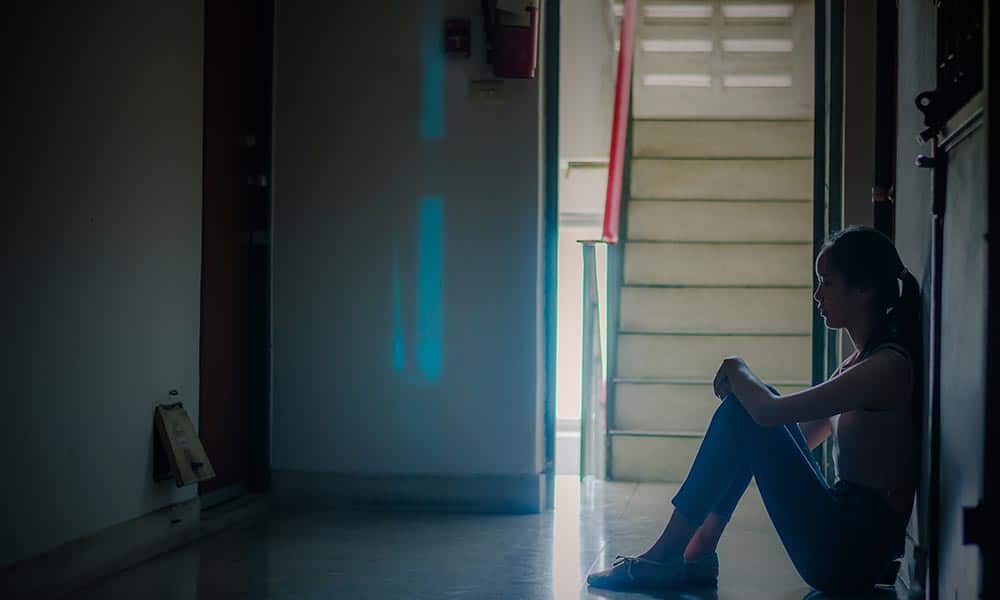
Common fears include crowded spaces, enclosed areas like elevators, open spaces such as parking lots, public transportation, and situations where leaving quickly feels challenging. These fears often stem from worries about experiencing panic attacks (abrupt episodes of intense fear accompanied by physical symptoms when there is no real danger or apparent cause) without easy access to safety or help. For many people, agoraphobia develops gradually, starting with discomfort in specific situations and expanding to encompass more areas of life.
When you live with agoraphobia, grocery shopping may feel impossible because of crowds. Driving can trigger fear of being trapped in traffic. Medical appointments or walking to the mailbox can provoke overwhelming anxiety. Simple errands that once felt routine now require extensive planning or become completely avoided. Avoidance becomes a coping mechanism but reinforces fear and shrinks your world, creating a cycle where each avoided situation makes the next one feel even more threatening.
The emotional toll runs deep. Isolation becomes common as you withdraw from activities and relationships. You may decline invitations, miss important events, or struggle to maintain employment. Shame, stigma, and feelings of being misunderstood erode self-esteem. Many people feel frustrated with themselves, wondering why they cannot simply “push through” the fear. Physical symptoms like headaches, nausea, rapid heartbeat, sweating, dizziness, and muscle tension accompany psychological distress, making the experience even more overwhelming.
Agoraphobia rarely exists alone [1]. Panic disorder commonly co-occurs with many developing agoraphobia after unexpected panic attacks in public. Depression often follows as avoidance and isolation diminish quality of life, intensifying daily challenges. Understanding these connections helps you recognize that seeking comprehensive treatment addresses multiple aspects of your experience.
Why Self-Care Is Essential for Recovery
Self-care complements evidence-based therapies like cognitive-behavioral therapy (CBT) and exposure therapy. While treatments teach you to challenge distorted thoughts and face feared situations, self-care provides tools to manage anxiety in real-time.
Physical health directly influences emotional well-being. Exercise reduces stress hormones [2] and boosts mood. Balanced nutrition stabilizes blood sugar, preventing crashes that trigger anxiety. Quality sleep restores your nervous system. These habits build resilience, supporting therapeutic progress.
Self-care focuses on empowerment rather than avoidance. While agoraphobia drives you to escape, self-care equips you with coping skills to stay present and manage distress, gradually rebuilding confidence.
Self-Care Strategies to Support Agoraphobia Recovery
Mind-Body Techniques to Calm Anxiety
Deep Breathing: Diaphragmatic breathing activates relaxation [3]. Place one hand on your chest, the other on your belly. Breathe slowly through your nose, letting your belly expand. Hold briefly, then exhale slowly. This signals your nervous system that you’re safe.
Progressive Muscle Relaxation: Systematically tense and release muscle groups from toes upward, releasing physical tension and increasing body awareness [4].
Mindfulness & Meditation: Observe thoughts without changing them. Acknowledge anxious thoughts as mental events rather than facts. Guided apps help develop this skill in just five minutes daily.
Visualization: Picture a completely safe place during distress. Engage all senses in this mental image to lower anxiety.
Grounding Exercises: The 5-4-3-2-1 technique [5] anchors you in the present. Identify five things you see, four you feel, three you hear, two you smell, and one you taste. This interrupts anxiety spirals.
Lifestyle Habits That Support Recovery
Physical Activity: Gentle exercise like walking or yoga releases endorphins and reduces stress [2]. Consistent, moderate movement improves mood and sleep.
Nutrition & Hydration: Balanced meals with protein, healthy fats, and complex carbohydrates maintain stable blood sugar. Stay hydrated, as dehydration increases fatigue and irritability.
Sleep Hygiene: Establish a calming bedtime routine. Dim lights, avoid screens for an hour before bedtime, keep your bedroom cool and dark, and maintain consistent sleep and wake times.
Avoid Stimulants: Caffeine and nicotine increase anxiety [6]. Caffeine can trigger panic-like symptoms.
alcohol use disrupts sleep and worsens next-day anxiety.
Creating a Safe Home Environment
Create a relaxation space with comfortable seating, soft lighting, and calming color schemes. You can use this as your reference point when your anxiety becomes too difficult to handle. Research indicates that essential oils containing lavender [7] and chamomile produce calming effects, so you can use aromatherapy with these scents. Soft music or nature sounds should play in the background to establish a peaceful environment. Weighted blankets deliver light compression, which numerous users discover to be calming. Place smooth stones, soft fabrics, and stress balls in reach to help you focus on touch sensations, which will shift your anxious feelings toward calming physical experiences.
Establish daily structure with morning routines, regular mealtimes, and light chores. Predictability reduces uncertainty, which often triggers anxiety. Set small, achievable goals rather than overwhelming yourself with ambitious plans. Completing simple activities like making your bed, preparing a nutritious breakfast, watering plants, or organizing a drawer creates feelings of accomplishment and normalcy. These small victories matter more than you might think, as they prove to yourself that you remain capable and in control.
Keep a journal to record triggers and positive experiences. Note what situations increased anxiety, what coping strategies helped, and moments when you felt calm or accomplished. Tracking patterns helps identify what worsens or improves symptoms while providing an emotional outlet. Over time, your journal becomes a record of your progress, showing how far you have come, even when recovery feels slow.
Exposure & Gradual Re-Engagement
Graded exposure helps expand your comfort zone. Begin with the least threatening situation. Step onto your porch while practicing breathing, then gradually progress to your mailbox, down the street, and beyond.
Counter fearful thoughts with self-talk: “This is uncomfortable, but I can handle it.” Keep a diary tracking what you did, anxiety levels, and coping methods. Celebrate every small accomplishment.
Social & Emotional Support
Share struggles with trusted friends or family who respond with empathy. Join peer support groups online or in-person to connect with others who understand agoraphobia.
Telehealth therapy makes professional support accessible without leaving home. CBT or acceptance and commitment therapy provide evidence-based treatment. Some people benefit from medication like antidepressants or anti-anxiety medications [6] prescribed by healthcare providers.
How to Feel Safe and Grounded at Home
Try these grounding techniques when anxiety spikes:
- Hold ice: Cold sensation interrupts anxious thoughts
- Name objects: Describe items you see with color and texture
- Feel your feet: Press firmly into the floor, noticing support
Create a comfort toolkit with soothing items: photos, affirmations, fidget toys, favorite scents, or comforting fabrics. Schedule regular contact with therapists or loved ones for accountability. Predictable routines minimize uncertainty that fuels anxiety.
When & How to Seek Professional Help
Seek professional treatment when avoidance persists despite self-care, symptoms worsen, depression deepens, or functioning remains impaired.
CBT combined with exposure therapy is the gold standard. CBT challenges distorted thoughts while exposure therapy gradually addresses feared situations [6]. SSRIs can reduce anxiety and panic, working best with therapy.
Contact mental health providers specializing in anxiety disorders. Many offer telehealth, making treatment accessible from home. In crisis situations, contact hotlines or emergency services immediately.
Conclusion & Next Steps
Living with agoraphobia is challenging, but recovery is possible. Professional treatment combined with consistent self-care creates a path forward.
Start with small steps. Practice one breathing technique. Designate a safe space at home. Walk to your mailbox. Each action builds momentum toward freedom and confidence.
At iRely Recovery, we understand the isolation and fear agoraphobia creates. Our compassionate team offers individualized treatment plans addressing anxiety disorders and co-occurring substance use concerns. Whether you need therapy, peer groups, or aftercare planning, we walk alongside you. You don’t have to face this alone.
Frequently Asked Questions
Sources
[1] NHS 111 Wales. (n.d.). Agoraphobia. NHS Wales. https://111.wales.nhs.uk/encyclopaedia/a/article/agoraphobia/
[2] Harvard Health Publishing. (2011, July). Exercising to relax. Harvard Medical School. https://www.health.harvard.edu/newsletter_article/exercising-to-relax
[3] Ma, X., Yue, Z.-Q., Gong, Z.-Q., Zhang, H., Duan, N.-Y., Shi, Y.-T., Wei, G.-X., & Li, Y.-F. (2017). The effect of diaphragmatic breathing on attention, negative affect and stress in healthy adults. Frontiers in Psychology, 8, 874. https://pmc.ncbi.nlm.nih.gov/articles/PMC5455070/
[4] Kampert, M. (2022, November 10). Everything you need to know about progressive muscle relaxation. Cleveland Clinic. https://health.clevelandclinic.org/progressive-muscle-relaxation-pmr
[5] Young, M. (2024, November 25). 13 grounding techniques for when you feel overwhelmed. Cleveland Clinic. https://health.clevelandclinic.org/grounding-techniques
[6] National Health Service. (n.d.). Treatment – Agoraphobia. NHS. https://www.nhs.uk/mental-health/conditions/agoraphobia/treatment/
[7] Koulivand, P. H., Ghadiri, M. K., & Gorji, A. (2013). Lavender and the nervous system. Evidence-Based Complementary and Alternative Medicine, 2013, 681304. https://pubmed.ncbi.nlm.nih.gov/23573142/
iRely Recovery Editorial Policy
When you choose to walk with us on your journey to recovery, you deserve information that lifts you up rather than weighs you down. Our Editorial Policy ensures that all content we produce is crafted to put clarity, credibility, and compassionate context in your hands. Resources are written by or in collaboration with industry professionals and receive additional medical review to ensure accuracy.
Read More About Our Process